
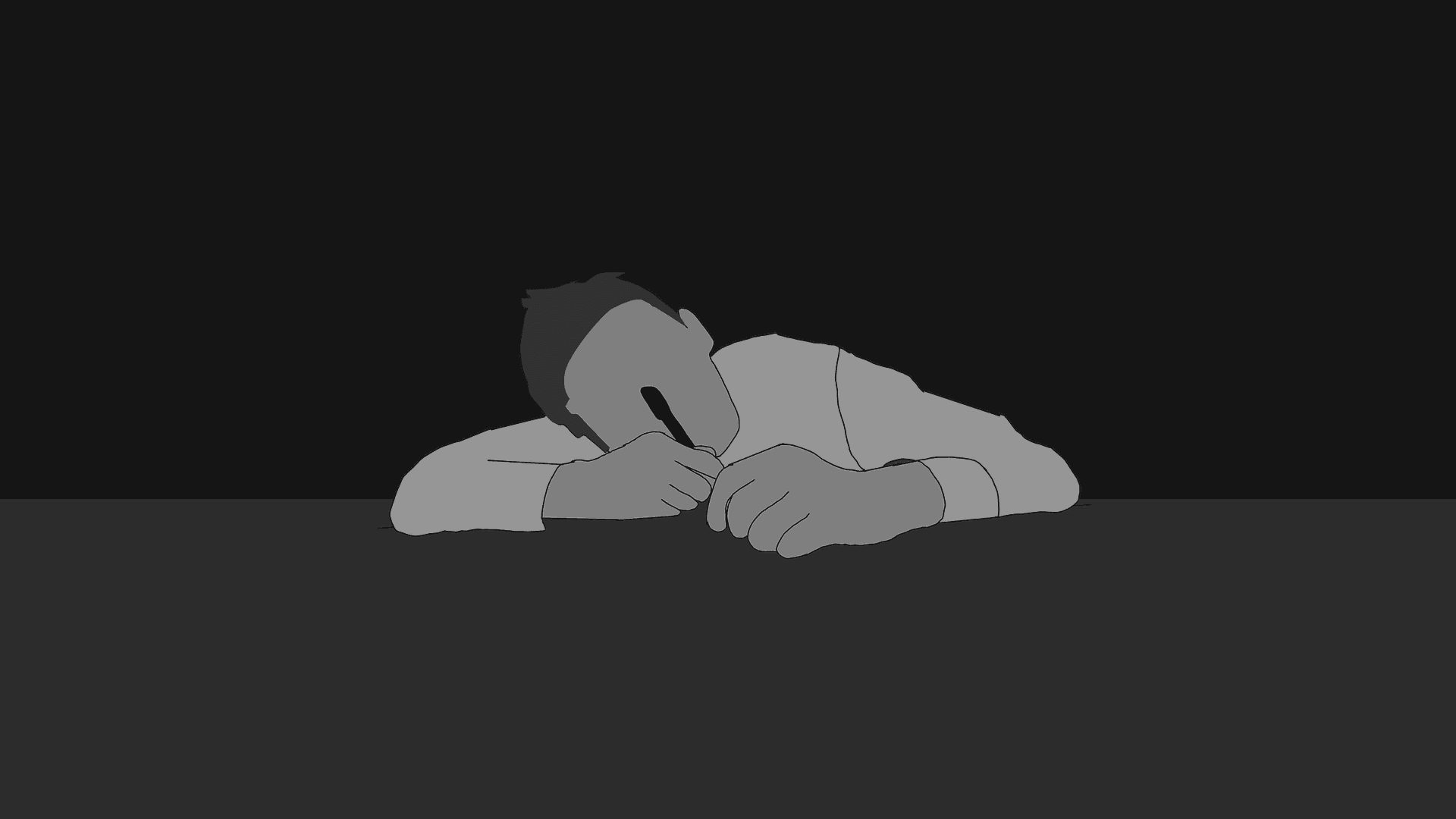
We all embrace productivity and speed, but do you ever feel boredom creeping in? That feeling where you don’t want to do anything? Maybe I’ve just described your current state—bored out of your mind, unwilling to do anything. We often try to avoid boredom or push ourselves to stay productive. Either way, I’m here for you. My day looks like a creative battle I fight every day—finding ideas, generating ideas, implementing ideas, and being a source of ideas. I believe boredom is a powerful ally in the creative process. That’s what I’m going to talk about now. Keep reading if you’re interested.
The Common Path
When you start a project, the initial ideas that come to mind are often the most predictable. You’ve probably seen others doing the same, consciously or unconsciously. These are common concepts—safe, familiar, and unremarkable. This is the common path, where creativity feels easy but uninspired. Example: When someone presents you with a problem, the first ideas that come to mind are often the most cliché—those that feel comfortable because they’ve been done before.
The Turning Point
As you delve deeper into your project, something interesting happens—you get bored. Well, that happens to me too. Let me tell you, this is where most people give up, believing they’ve exhausted all their good ideas. But boredom is not a stop sign; it’s a signal. I believe it’s your brain’s way of telling you that you’re still skimming the surface. Insight: Boredom acts as a filter that separates the great from the good. It sifts through the common ideas, creating space for the uncommon to emerge.
The Breakthrough
If you’re at that point where you want to abandon your thoughts when boredom strikes, I suggest sitting with it a little longer. Something magical happens. Your mind starts digging deeper, searching for new connections, unexplored angles, and fresh perspectives. This is where the uncommon ideas begin to appear. Thought: Ever wonder why great things take time? If it were easy, everyone would have done it. Maybe you’re just one bout of boredom away from doing something extraordinary.
Embracing Boredom in Practice
To harness the power of boredom, you need to accept it as part of your creative process. Here are some of my practical ways to do so: Slow Down: Don’t rush through things. Allow yourself time to get bored. When boredom sets in, consider staying with it a bit longer.
Sit with Discomfort:
When boredom hits, resist the temptation to switch tasks or scroll through Instagram reels. Instead, lean into it. I usually stop focusing and let my mind wander for a while, then I make sure to come back to the task. If you can do that, well, that’s when the breakthrough happens.
Reflect:
One thing I often do is stop looking forward and start reflecting. It’s like driving—if you always look ahead, you miss what’s behind. Steve Jobs once said, “You can only connect the dots looking backward,” and I understand why. When you look back, you’ll see what you missed; if not, you might realize that you didn’t actually do the right work in the first place.
Experiment:
Yes, you have to experiment a lot. Let your creative mind wander and play with new ideas. The best insights often come when you’re not actively trying to find them. I like to tweak that 1px, move things left to right, and right to left—basically doing things that don’t seem to make sense. But let me tell you, I always discover something when I experiment. I get that “aha” moment and new ideas—not because my experiments were calculated, but because I gave myself the freedom to challenge the odds.
Conclusion
So, did I make you bored? That’s cool—now you know why it’s worth going beyond boredom. You made it to the conclusion section. I also got bored and wrote this article. I followed the advice I’m sharing. It’s not like I get bursts of motivation or anything; I just get the idea to write. While writing, it’s the same—I pick up my phone, but what’s important is that I always come back to the work I started.
Boredom is not a dead-end; it’s a gateway. It’s a filter that helps you move past the obvious and reach the extraordinary. The next time you find yourself bored with a project or task, don’t give up. Sit with it a little longer—your most useful insights might be just around the corner.